Repair It Right — Or Replace It Right
Flooring problems are almost always a symptom of something else: subfloor movement, moisture intrusion, improper installation, or a material that wasn't suited for the location. Replacing a damaged plank or cracked tile without understanding the cause just means the same problem returns in the same spot. We diagnose first, then repair.
Hardwood Flooring Repairs
Hardwood is durable but not indestructible. Common issues we repair:
- Squeaks and movement — caused by subfloor voids, loose fasteners, or wood-to-wood friction. Most squeaks can be fixed without removing flooring.
- Cupping and crowning — wood boards curling along their edges or ridging in the center, almost always moisture-related. The moisture source must be identified before repair.
- Cracked or split boards — individual boards can be replaced to match existing, though a perfect finish match depends on species and age.
- Water-stained boards — surface stains may sand out; deeper staining or swelling requires board replacement.
- Gapping between boards — seasonal gapping is normal in Ottawa's climate; persistent gaps can be filled or indicate an installation issue.
Luxury Vinyl Plank Repairs
LVP is marketed as low-maintenance, but it does fail — usually from improper subfloor prep at installation:
- Swelling or buckling planks — despite being "waterproof," the core can swell if water sits at edges long enough. More often caused by subfloor moisture vapor.
- Gapping at seams — usually indicates a floating floor installed without adequate expansion gaps, or installed over a floor with excessive deflection.
- Damaged planks — individual planks in a floating installation can be replaced if the same product is still available. Click-lock systems allow this without a full teardown.
- Hollow or spongy feel — indicates voids under the plank, typically from uneven subfloor not corrected at installation.
Tile Repair
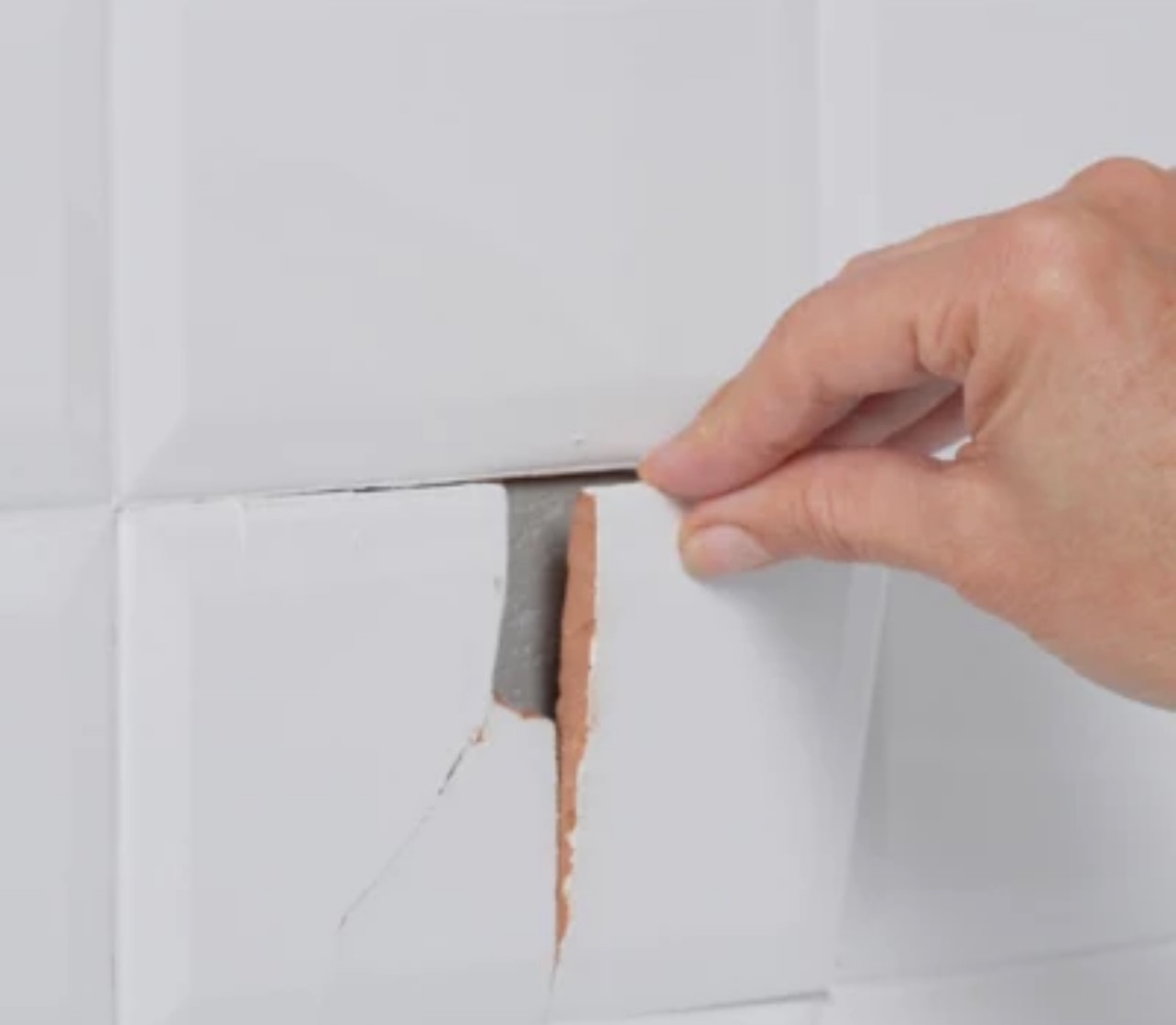
Cracked tile is rarely just bad luck. It usually means the tile lost support — a void under the tile, substrate movement, or a mortar failure. We replace cracked tiles and address the underlying cause:
- Cracked tile — identified, matched as closely as possible, removed and replaced with correct mortar bed coverage.
- Hollow tile — tapping reveals debonded tiles. These will crack eventually and should be re-set before they fail.
- Failed grout — cracking, crumbling, or discoloured grout can be raked out and regrouted. If grout keeps failing in the same joint, there is movement that needs addressing.
- Deteriorated caulk joints — movement joints at changes of plane (floor-to-wall, inside corners) must be caulked, not grouted. Failed caulk is a common entry point for water.
Finding the Root Cause
Before any repair, we assess the subfloor condition, moisture levels, and installation method. A repair that doesn't address the cause is a temporary fix. We'll give you an honest assessment of whether a targeted repair will hold, or whether a larger area needs to be addressed.
Moisture Damage
Ottawa's climate — humid summers, dry winters, wet springs — puts real stress on flooring. Basement slabs with inadequate vapour barriers, plumbing leaks, and condensation are common sources of moisture damage we see regularly. We assess the source before recommending a repair approach.